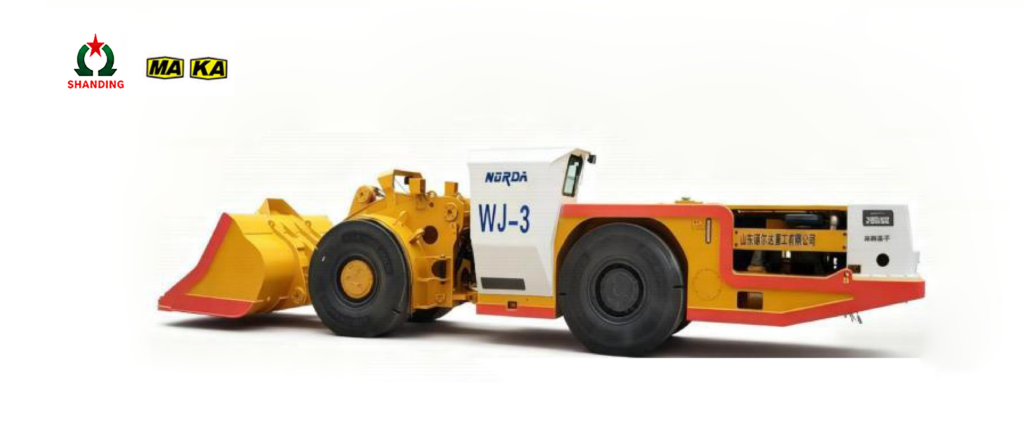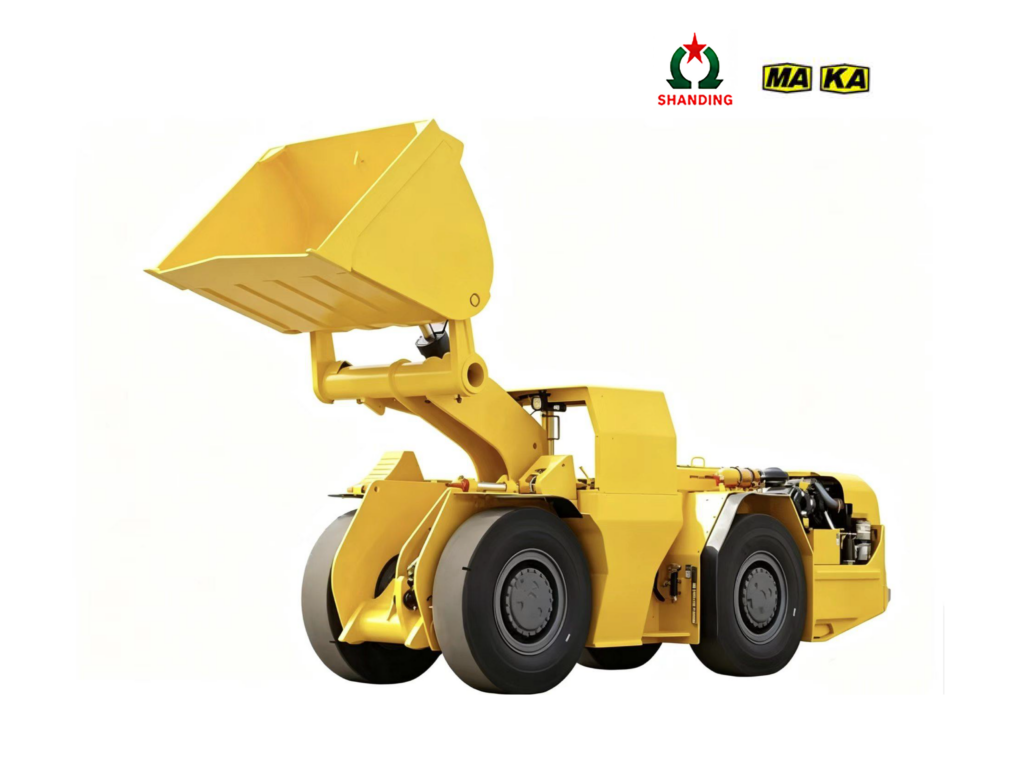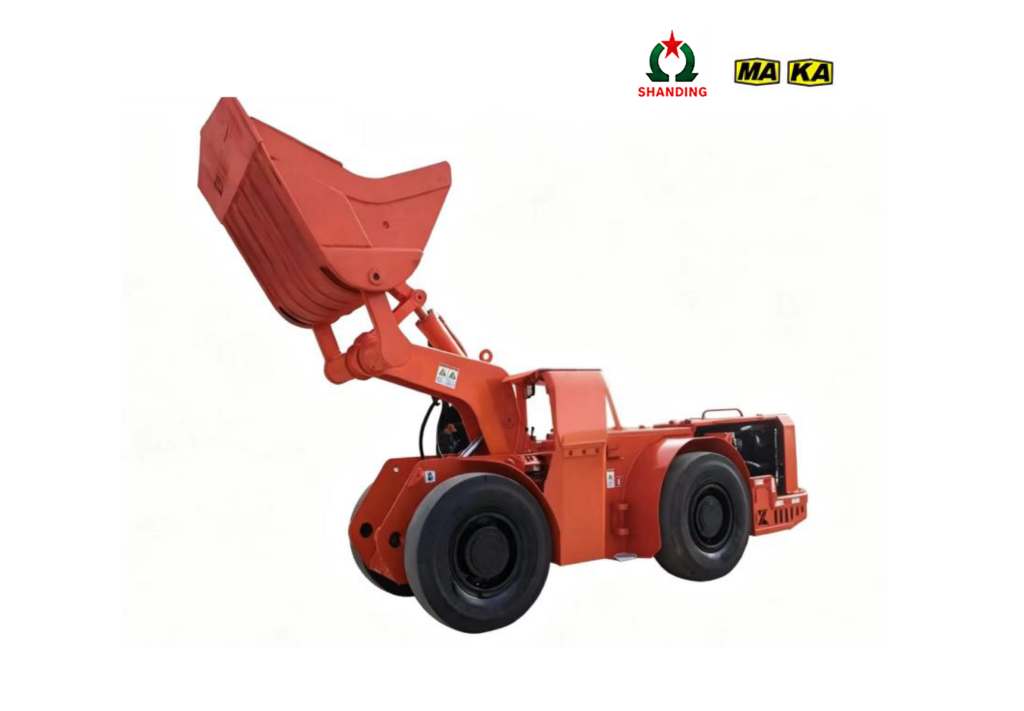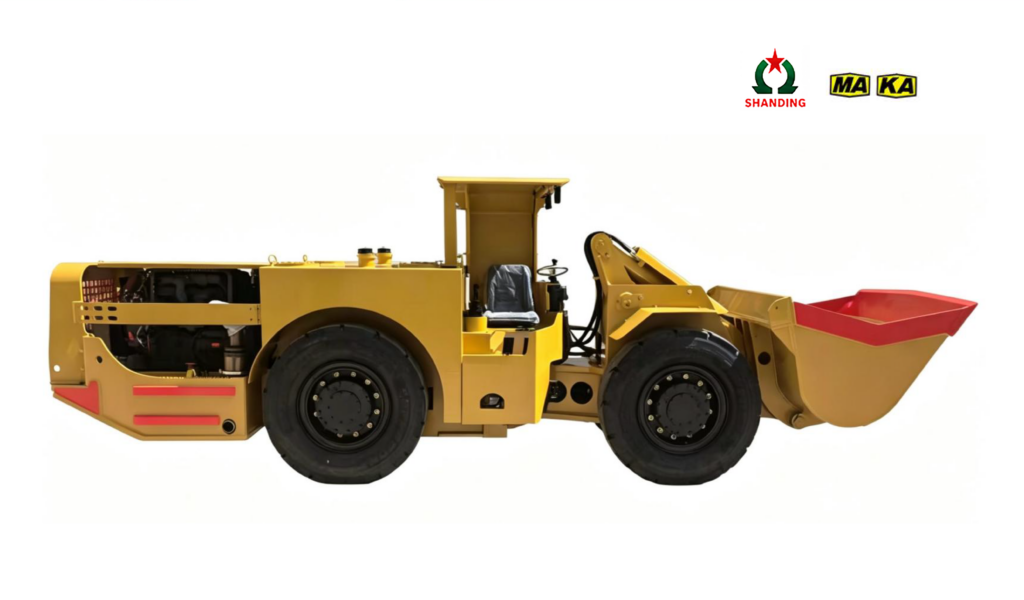






The removal of floating stones after underground blasting in mines is a key process that restricts the progress of tunnel excavation and affects underground safety. Traditional manual wool picking operations have low efficiency, high risks, and high labor costs, and are no longer suitable for the high-yield production needs of modern mines. Compared with traditional manual prying methods, mechanized prying platform vehicles have multiple core advantages such as high efficiency, strong safety, wide adaptability, and significant cost reduction and efficiency improvement. They are the essential equipment for the current underground intelligent and mechanized upgrade.
In terms of work efficiency, the pry cart is equipped with a high-frequency and powerful hydraulic impact system, which is stable in impact, without empty hammers or stuffy hammers, and can quickly remove loose and dangerous rocks from the roadway roof, two sides, and bottom plate. The equipment is equipped with a large angle telescopic boom for 360 degree full coverage operation, without the need for frequent vehicle movement. The single shift operation volume can reach more than ten times that of manual teams, greatly reducing the time for prying and eliminating risks, effectively compressing the excavation cycle, solving the industry pain point of slow manual rock cleaning speed and slowing down the overall mining progress, and significantly improving the monthly footage and overall production capacity of the mine.
In terms of safety performance, it has completely changed the mode of personnel facing dangerous rocks up close. Operators can stay away from dangerous areas such as debris and roof caving, and equipped with a protective cab and remote control operation function to eliminate safety hazards caused by manual prying from the root, greatly reducing the incidence of underground safety accidents and effectively improving the standardization level of mine safety production.
The equipment has strong adaptability underground, using a narrow body articulated four-wheel drive chassis with a small turning radius and high passability. It can flexibly shuttle through narrow tunnels, bends, and complex uneven road surfaces, with strong climbing ability, and is suitable for various metal mines, non-metal mines, and complex working conditions underground in tunnels. The hydraulic system of the whole machine is stable and durable, capable of long-term continuous heavy load operation, with low failure rate and convenient maintenance, greatly reducing downtime for maintenance.
In terms of economic benefits, a single forklift can replace multiple manual labor, significantly reducing long-term labor and management costs. The process connection is more compact, and there is no idle working face, helping mines achieve multiple upgrades in efficiency, production, safety, and cost reduction.