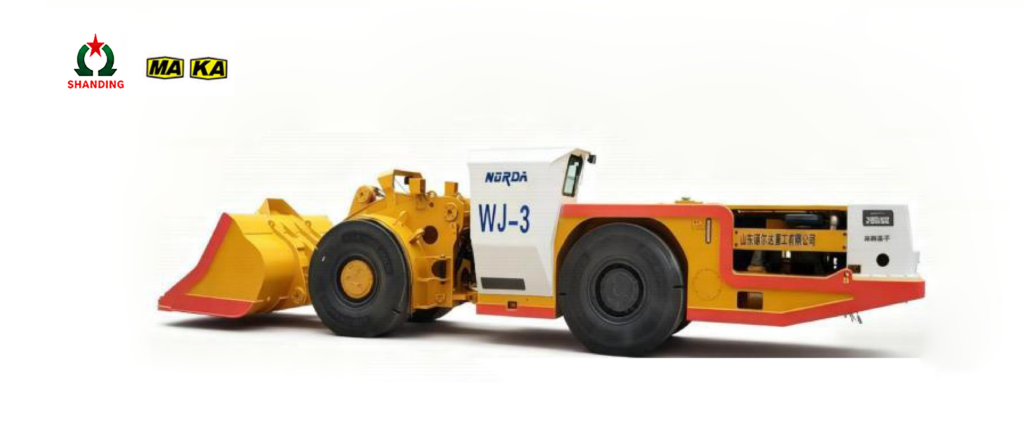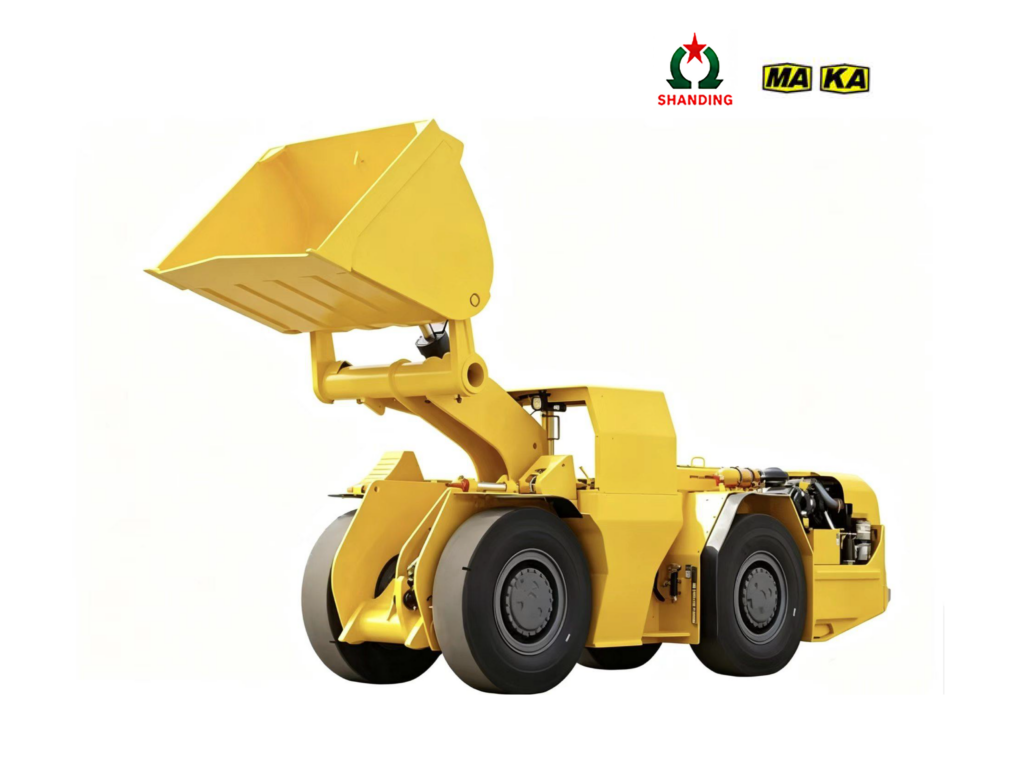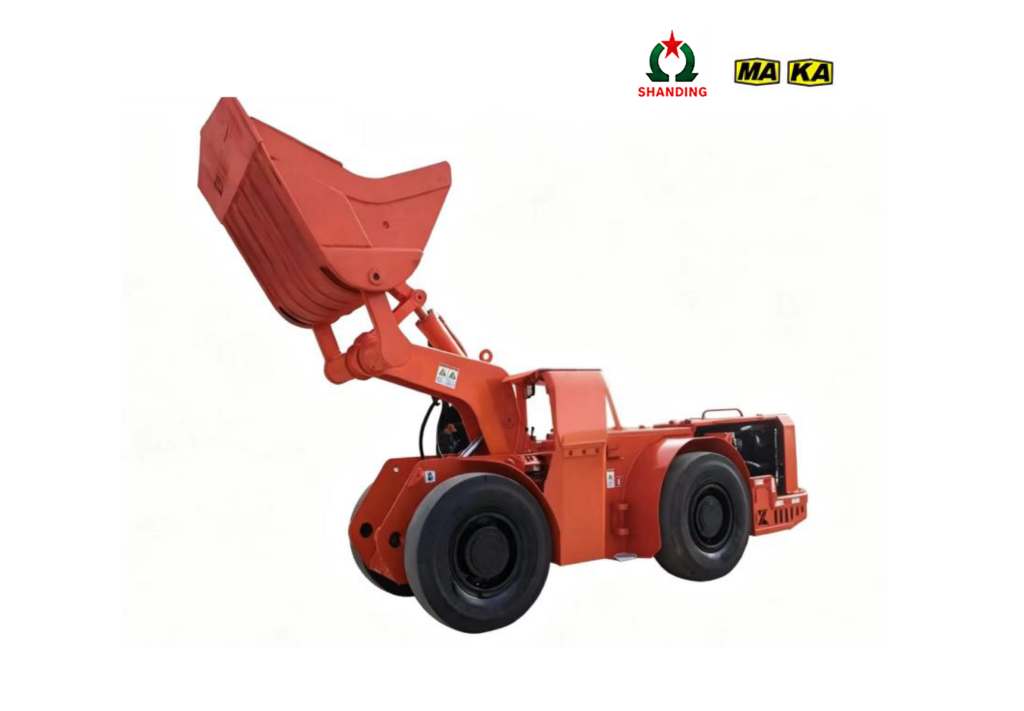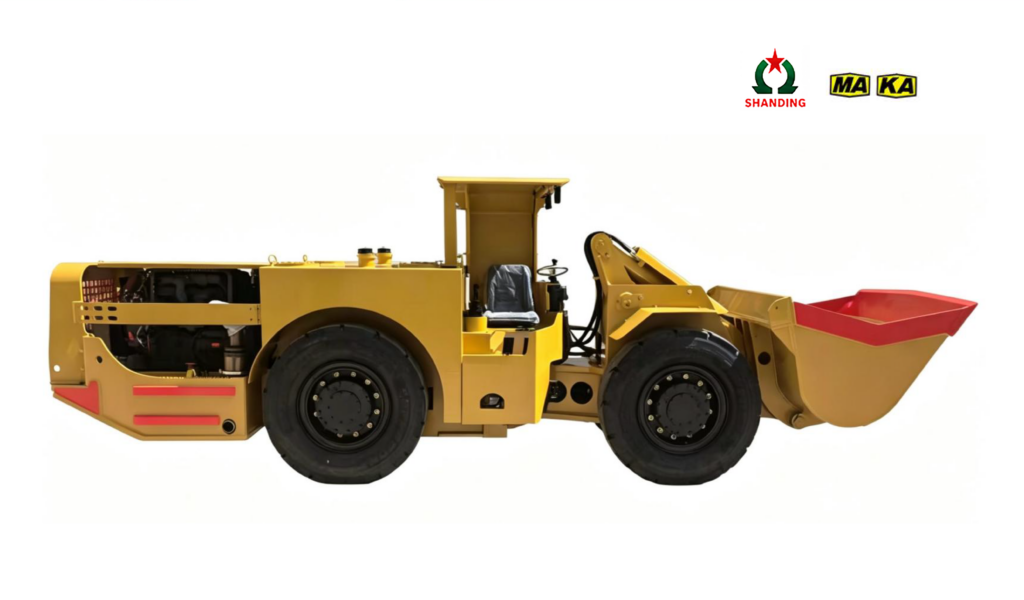






In 2026, the intelligent transformation of mines will accelerate, and the new regulations for national mine safety supervision require the mechanization of underground tunnel repair. The market for tunnel repair machines will continue to grow, with industry orders increasing by 23% year-on-year in the first quarter. The market size for the whole year is expected to exceed 20 billion yuan. There are two major trends in the current industry development: first, multifunctional integrated models have become mainstream, and track repair machines that integrate crushing, undercover, shovel loading, and support are gradually replacing single function equipment, increasing repair efficiency by more than 40%; Secondly, the demand for explosion-proof electric models has surged, and low-noise, zero emission models are suitable for urban and shallow buried tunnel construction, in line with green mining construction standards.
At the same time, with the upgrading of industry competition, top manufacturers are increasing their research and development of intelligent electronic controls, and a new generation of equipment equipped with rock monitoring and remote control systems is being implemented in bulk; However, miscellaneous equipment without coal safety certification and with inferior accessories are gradually being phased out by the market. Many coal mines have explicitly prohibited the use of equipment without safety standards, which has forced the standardization of equipment production. As a necessary requirement for mine safety production, the deformation of tunnels and the repair of sheet walls require mechanization to replace manual labor, and the long-term market demand for tunnel repair machines remains stable and positive.
Key points for selecting a tunnel repair machine
1. Verify compliance qualifications: Priority should be given to equipment with MA coal safety and mining safety marks. Equipment without certification cannot pass safety supervision acceptance, and there is a risk of suspension fines. At the same time, the manufacturer’s ISO production system certification should be checked to ensure production process standards.
2. Matching underground working conditions: Narrow body crawler models are selected for small section tunnels, with small turning radii and flexible passage; Hard rock tunnels value the impact force of the crushing hammer, while soft coal tunnels focus on the ability to clear slag underground, and choose wheel or track walking structures as needed.
3. Quality of core components: The hydraulic system and bucket wear-resistant plate are the key to wear and tear. The service life of high manganese steel wear-resistant parts is three times that of ordinary carbon steel. Mature imported valve groups and explosion-proof motors are preferred to reduce maintenance costs in the later stage.
4. Function and endurance adaptation: For long-term continuous operation, electric explosion-proof models are preferred to save fuel costs; Choosing a multifunctional integrated machine for complex tunnels eliminates the need for multiple equipment to be paired together.
5. Improve the after-sales system: Confirm that the manufacturer has service outlets in the concentrated area of the mining area, responds to faults within 4 hours, and supplies spare parts in stock to avoid long-term production losses caused by equipment failures.
Overall, when making a purchase, one should not only focus on low prices, but also consider the tunnel section, geological conditions, and compliance standards in order to balance safety, efficiency, and long-term usage costs.