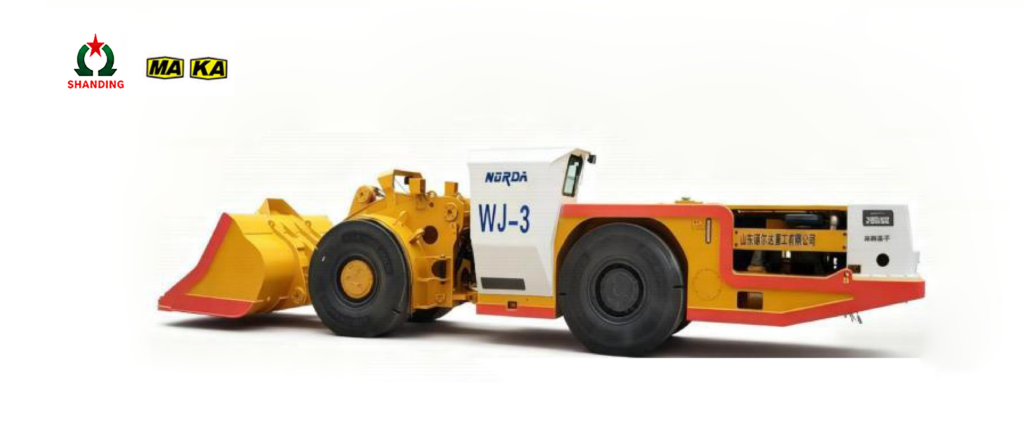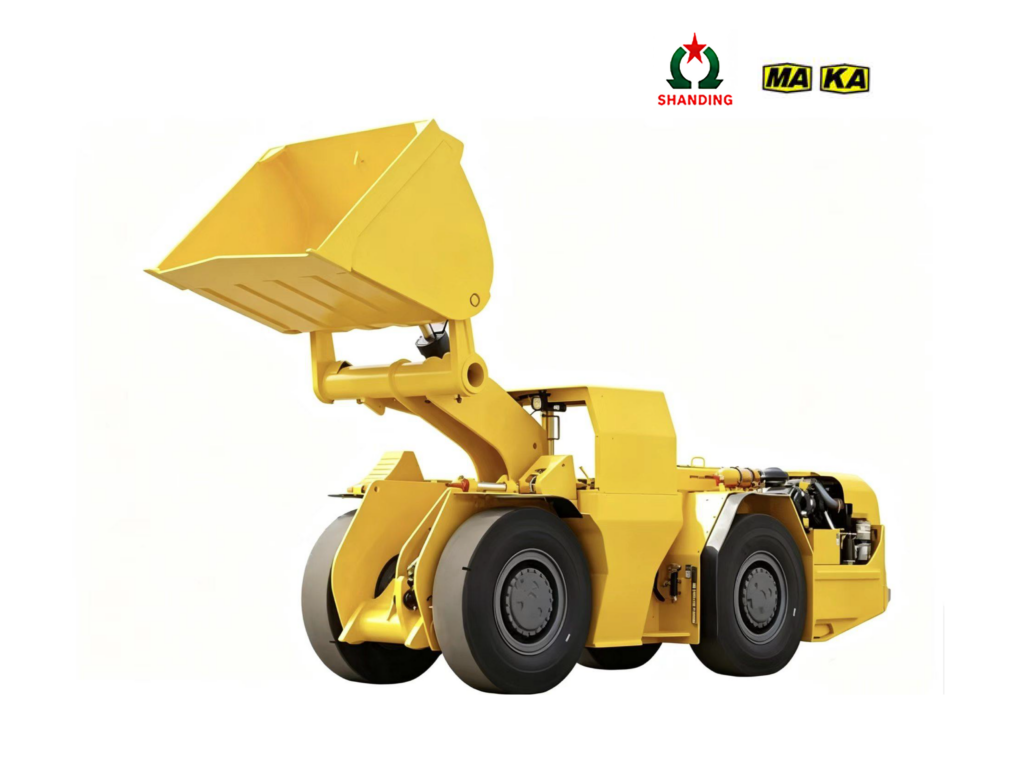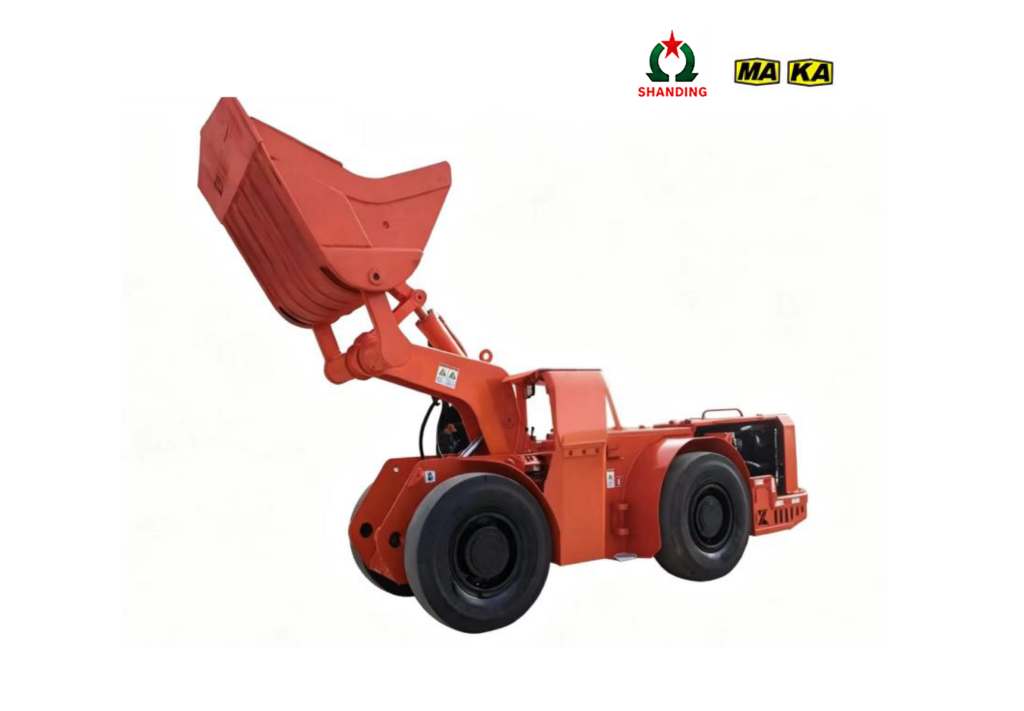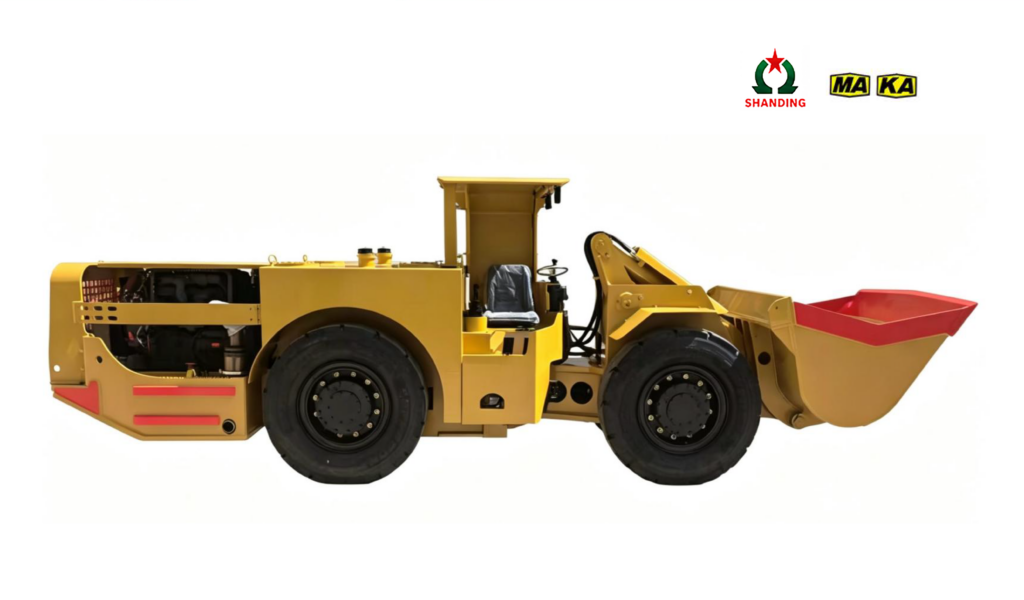






From 2025 to 2026, driven by mining safety policies, the industry of heavy-duty trucks will experience rapid development. The country requires the prohibition of manual crowning in underground metal mines by the end of 2026, and the acceleration of mechanized substitution. By 2025, the domestic market size will exceed 180 million US dollars, the localization rate will rise to 67%, and the import monopoly will be broken. Technologically, AI vision, remote control, and electrification have become mainstream, with intelligent models improving efficiency by 20-30 times compared to manual labor. Electric/lithium motor models have zero emissions, low noise, and are suitable for underground green mining needs.
When choosing a forklift, it is necessary to focus on the four core aspects of working conditions, safety, efficiency, and after-sales service.
1. Adaptation to working conditions is a prerequisite: select the type of equipment according to the width, height, and slope of the tunnel, and prioritize small turning radius (≤ 3.5 meters) and lightweight (≤ 8 tons) equipment for narrow tunnels; High impact energy breaking hammer is selected for hard rock, and standard configuration is matched for soft rock.
2. Safety performance is the bottom line: the cab must have FOPS falling object protection, the hydraulic system must have explosion-proof and overload protection, and comply with underground safety certification.
3. Focus on the core of homework efficiency: pay attention to the impact frequency (600-1200ppm), homework range, and remote control ability, and prioritize intelligent models to improve efficiency.
4. After sales guarantee is key: choose brands with dense service outlets, 24-hour response, and fast parts supply to reduce downtime losses. Domestic customized models are often used in top mines, which have better cost-effectiveness and adaptability.