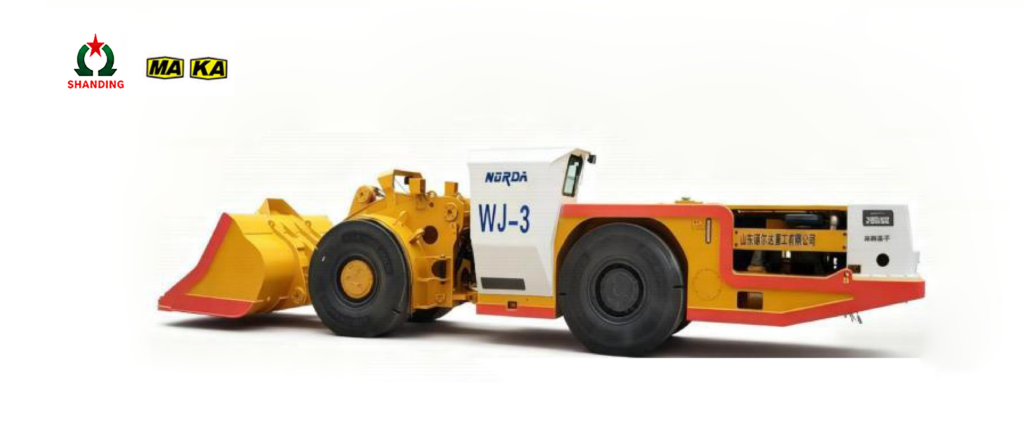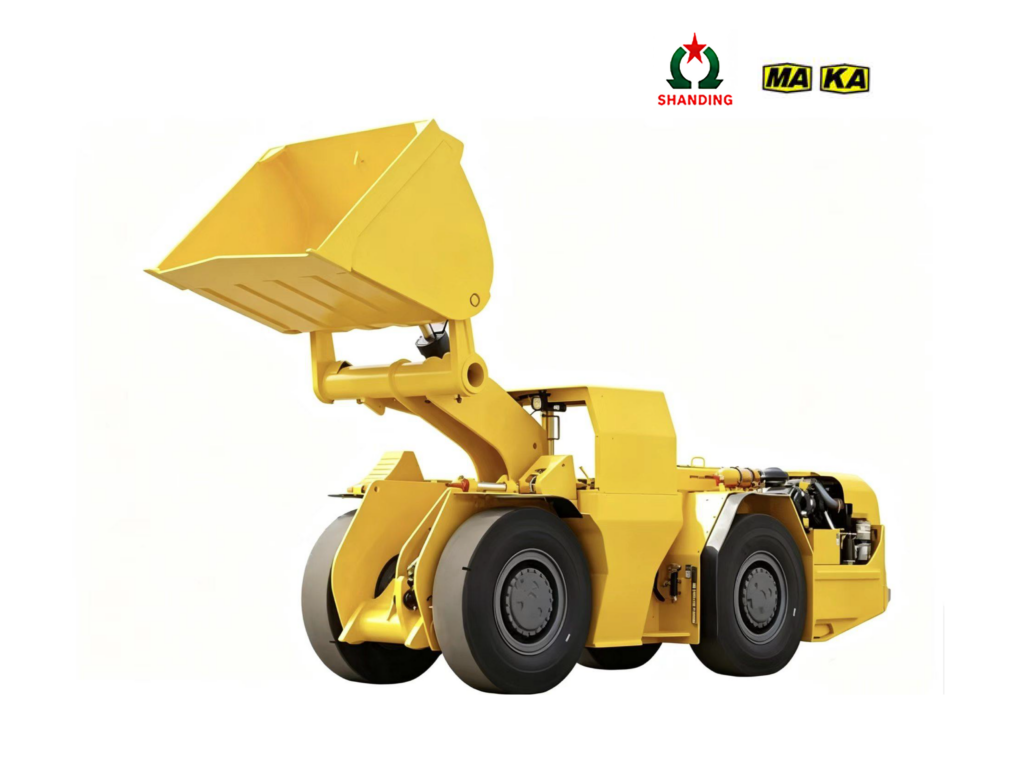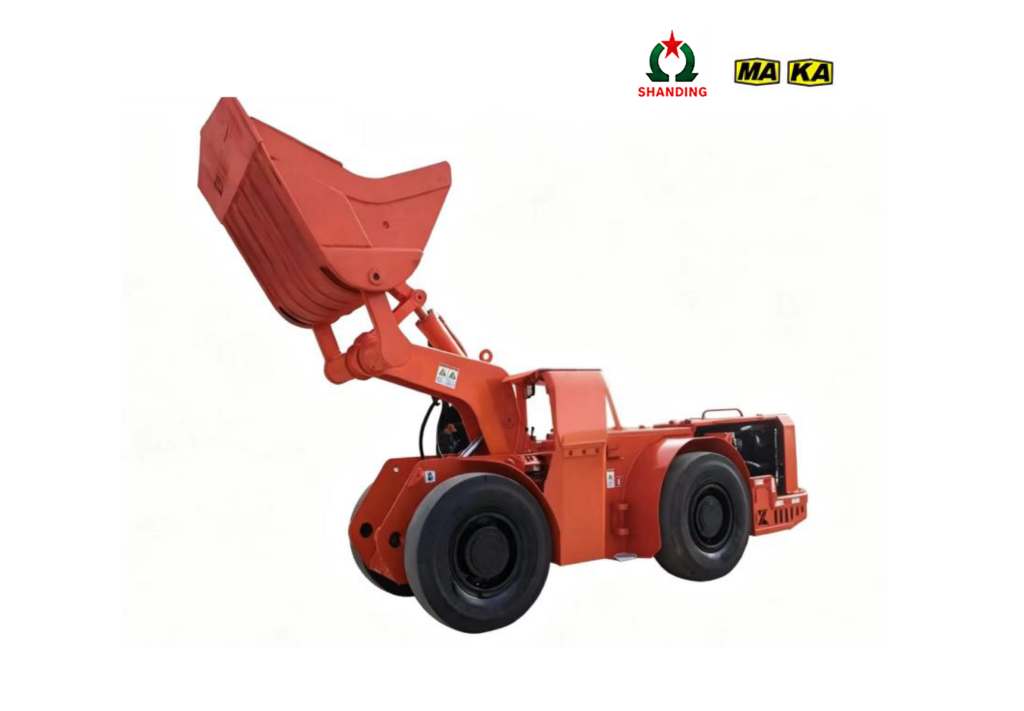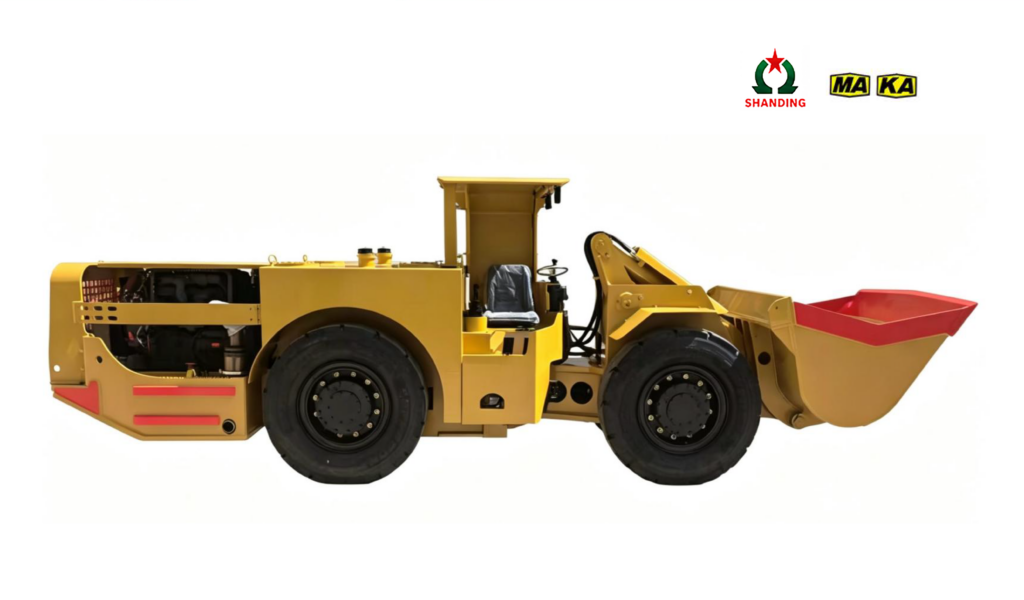






In 2026, the crushing trolley industry will usher in a triple upgrade cycle of policy, technology, and market. Intelligence, electrification, and integration will become the core development mainline, and equipment updates and overseas exports will accelerate synchronously. At the policy level, the Ministry of Industry and Information Technology and four other ministries have issued the “Implementation Plan for High Quality Development of Energy saving Equipment (2026-2028)”, which clarifies the timetable for phasing out inefficient crushing equipment in mines and tunnels, restricts the production and suspension of high-energy consumption traditional split equipment, and provides subsidies and tax incentives for the purchase of energy-saving crushing trolleys, forcing mining and infrastructure enterprises to accelerate equipment replacement. At the same time, the construction of green mines and smart mines is underway, and the requirement for less manpower in underground construction has significantly raised the entry threshold for intelligent crushing carts. Models with remote control and automatic load adjustment have become standard equipment for the project.
The market demand structure continues to optimize, with concentrated construction of high-speed rail, water conservancy, and urban pipeline tunnel projects in China. Non explosive construction scenarios have surged, and sales of integrated crushing and slag removal functions have increased by more than 30% year-on-year. The popularity of compact crushing trolleys for small tunnels and narrow municipal working conditions has increased. Compared with traditional multi machine combinations, the efficiency of single shift operations has been improved by 40%, and labor and transition costs have been significantly reduced. The development of new energy minerals has driven an increase in demand for underground crushing equipment, resulting in a surge in orders for specialized crushing vehicles for lithium mines and non-ferrous metal tunnels; The overseas infrastructure projects of the “the Belt and Road” continued to release growth. The export growth rate of domestic crushing trolleys remained at a high 25% by virtue of cost performance advantages. The demand for mining procurement in Southeast Asia and Africa was strong.
Technological innovation has become the focus of industry competition, and multiple equipment companies have launched a new generation of electric crushing trolleys equipped with lithium-ion hybrid systems, significantly reducing dust and noise emissions and reducing comprehensive energy consumption by 15%; The intelligent hydraulic control system achieves adaptive adjustment of crushing force, ensuring continuous high-intensity operation without attenuation. Multiple models are equipped with 5G remote monitoring and fault self diagnosis modules, reducing downtime for maintenance. The industry exhibition focuses on releasing drilling and excavation integrated trolley products, breaking the limitations of a single crushing function and adapting to continuous construction throughout the entire process.
The pain points in the industry still objectively exist, and the localization reliability of high-end hydraulic components and sensing parts needs to be improved; The homogenization of products among small and medium-sized manufacturers is severe, and low-quality and low-priced competition disrupts the market. It is widely predicted in the industry that in the next three years, the industry will accelerate its reshuffle, and leading enterprises with complete sets of intelligent solutions and electric technology reserves will continue to expand their market share. Low carbon and multifunctional crushing vehicles will dominate the market for a long time.