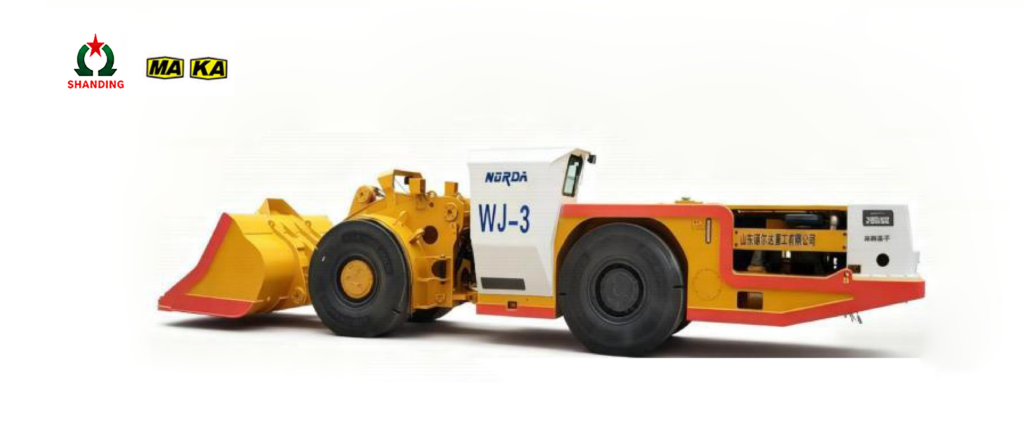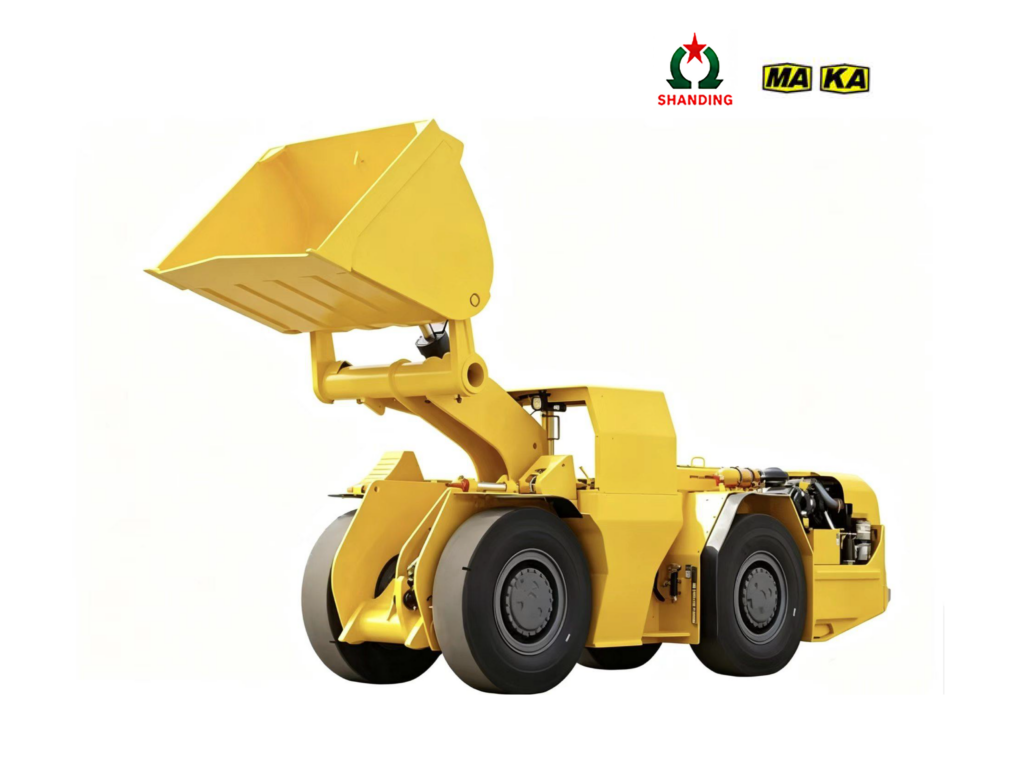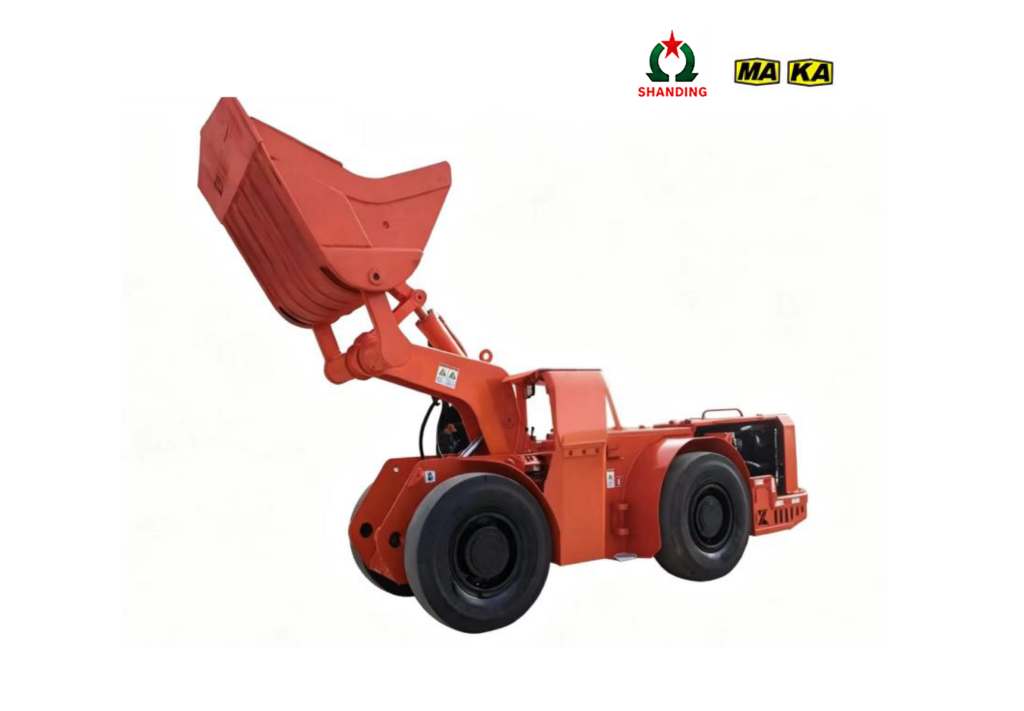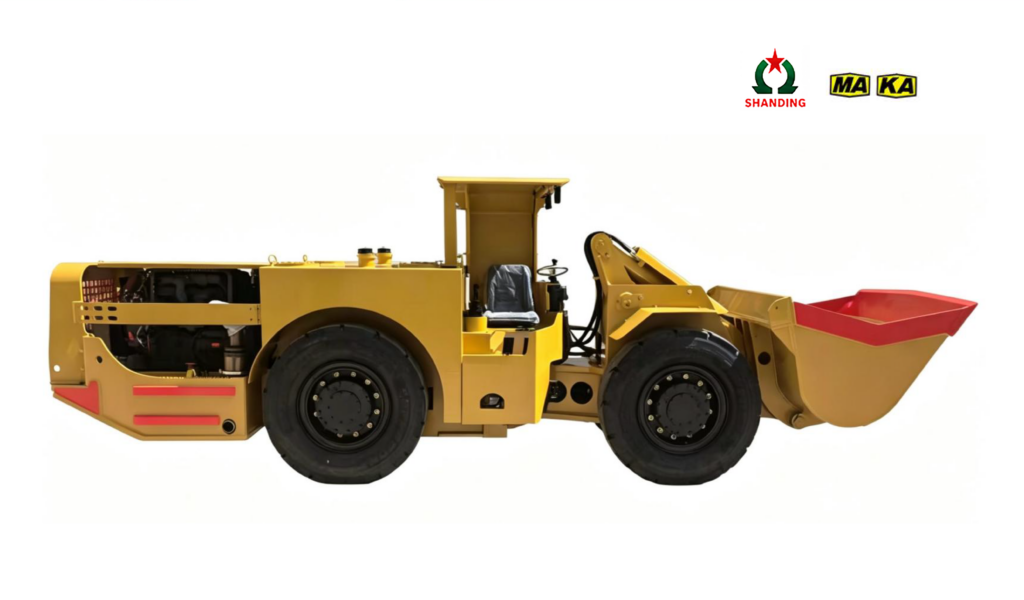






The integrated crushing, excavation, and loading functions of the mining and excavation machine are the core equipment for narrow space construction such as mine tunnels, tunnel excavation, and water conservancy chambers. In 2026, the industry will usher in a growth period driven by both policy and technology, and the selection of vehicles should focus on the three core aspects of working conditions, performance, and service.
1、 Industry Trends
1. Rapid growth in market size: Benefiting from the intelligent transformation of coal mines, the start of the “15th Five Year Plan” infrastructure construction, and the demand for non explosive construction, the market size of tunnel machinery belonging to the domestic integrated mining and breaking machine is expected to exceed 20 billion yuan in 2026, with a year-on-year increase of 23% in orders in the first quarter. The global market size of hydraulic crushing equipment is expected to reach 9.21 billion US dollars, with a demand growth rate of 8.3% in China, higher than the global average.
2. Technological upgrading focuses on intelligence: The industry has entered a stage of technological differentiation from functional integration, with core trends towards intelligence, electrification, and compactness. Intelligent remote control, 360 degree monitoring, and electric explosion-proof models are accelerating their popularity, adapting to the low emission and high safety requirements underground; The breaking hammer is high-frequency and the body is narrow, suitable for small section tunnels over 2.2 meters.
3. Market pattern centralization: Domestic enterprises are concentrated in Shandong, Henan and other places, with leading companies such as Shandong Weichen Heavy Industry and Shanding Heavy Industry dominating with self-developed hydraulic systems and explosion-proof technology. Their products cover the full range of 60-330 models, and their export growth to Southeast Asian and African markets is significant.
2、 Car Selection Guide
1. Working condition matching is the core
Lane size: For small sections (≤ 2.5 meters), choose the 60/80 narrow body machine; Select 120/150 type for medium cross-section (2.5-4 meters); Select the 200/330 type for large cross-sections (≥ 4 meters) to ensure a safety margin of ≥ 0.5 meters for the width and height of the aircraft.
Materials and Slope: Loose soil is selected for belt conveyor type; Large/sticky ore selection scraper conveyor type; Priority is given to track type when the slope is greater than 15 °, and wheel type maneuverability can be selected when the slope is less than or equal to 15 °.
Power type: Choose electric explosion-proof models for underground/explosion-proof scenarios; Choose diesel models for outdoor/non explosion protection requirements, with priority given to models that meet the National IV emission standards.
2. Key verification of core performance
Crushing ability: Equipped with high-frequency crushing hammers such as SB-10/SB-20, the weight of the hammer is adapted to the tonnage of the machine body (0.8-3 ton models should match the hammer type), ensuring that the crushing hardness meets the standard.
Hydraulic system: Priority is given to fully hydraulic drive and air-cooled cooling configuration. Key oil cylinders are self-developed and produced to reduce failure rates and ensure continuous operation stability.
Efficiency parameters: Based on the schedule requirements, select the production efficiency (cubic meters/hour) to match the machine model, avoiding “small horses pulling large trucks” or equipment idle.
3. Brand and Service Guarantee
Select top manufacturers: Priority should be given to enterprises with mining machinery research and development experience and independent intellectual property rights, to verify similar working condition cases and ensure equipment stability.
After sales and accessories: Verify the coverage of service outlets, spare parts inventory, and emergency response speed, and improve the direct impact of after-sales on equipment attendance.
Cost performance balance: Avoid low-priced and low-quality models, calculate the full lifecycle cost based on comprehensive procurement costs, energy consumption, and failure rates, and prioritize high value and easy to maintain models.